SINO MAXTON GROUP Co.,Ltd
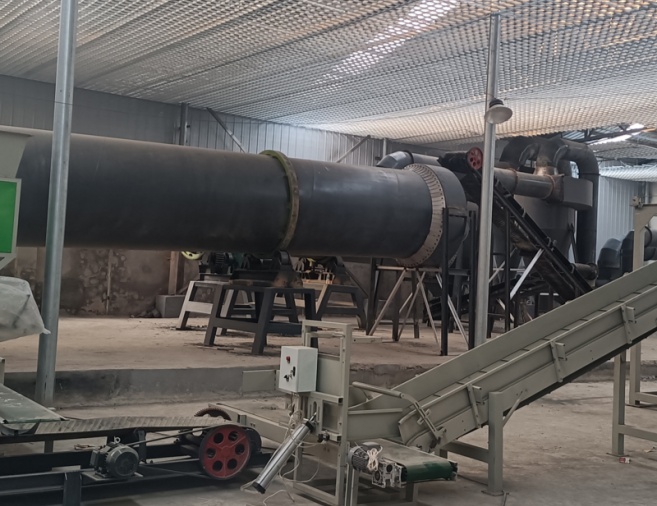
Mineral Fertilizer Production Line Hot
- Capacity: 1.0-20.0 t/h
- Material: carbon steel Q235/Alloy
- Voltage: 220v/380v/415v/440v/480v(50Hz/60Hz)
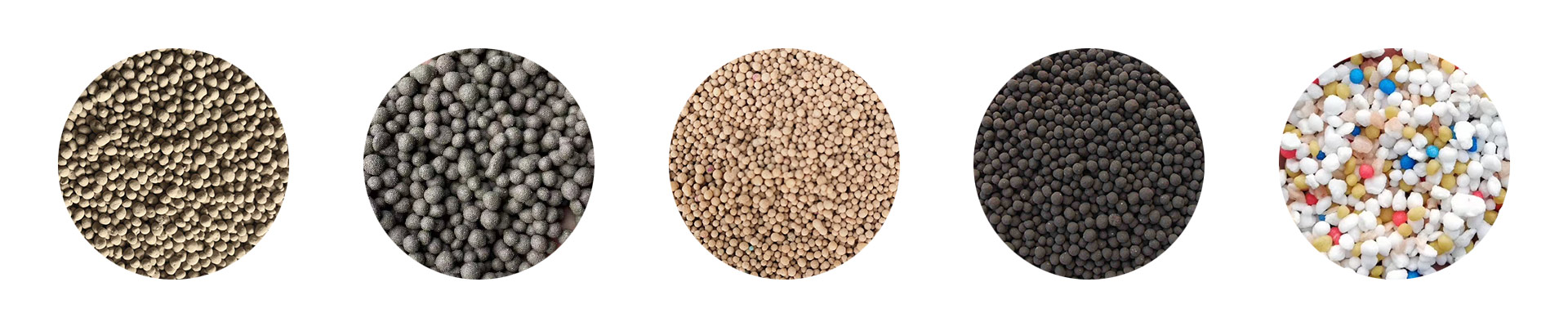
- Final Product Shape: granular (sphere, cylinder, etc.)
- Applicable Industries: agricultural planting, animal husbandry, food processing, environmental protection, landscaping, organic fertilizer trading,etc.
📋 Get Prices
💬 WhatsApp Inquiry
| Model | Capacity (t/h) | Power (kW) | Dimensions (m) | Price (USD) |
|---|---|---|---|---|
| MFPL-100 | 1.0-2.0 | 45 | 15×5×4 | $45,000 |
| MFPL-200 | 2.0-5.0 | 75 | 20×6×4.5 | $68,000 |
| MFPL-500 | 5.0-10.0 | 120 | 25×8×5 | $95,000 |
| MFPL-1000 | 10.0-20.0 | 200 | 30×10×5.5 | $150,000 |
Key Equipos Overview
Milling Equipos
Raymond Mill: Grinds phosphate rock into fine powder, increasing the surface area for acid reaction.

Granulation Equipos
Granulator: Converts the mixed materials into granular form. There are different types of granulators, such as the disc granulator, rotary drum granulator, and roller granulator.

Drying and Cooling Equipos
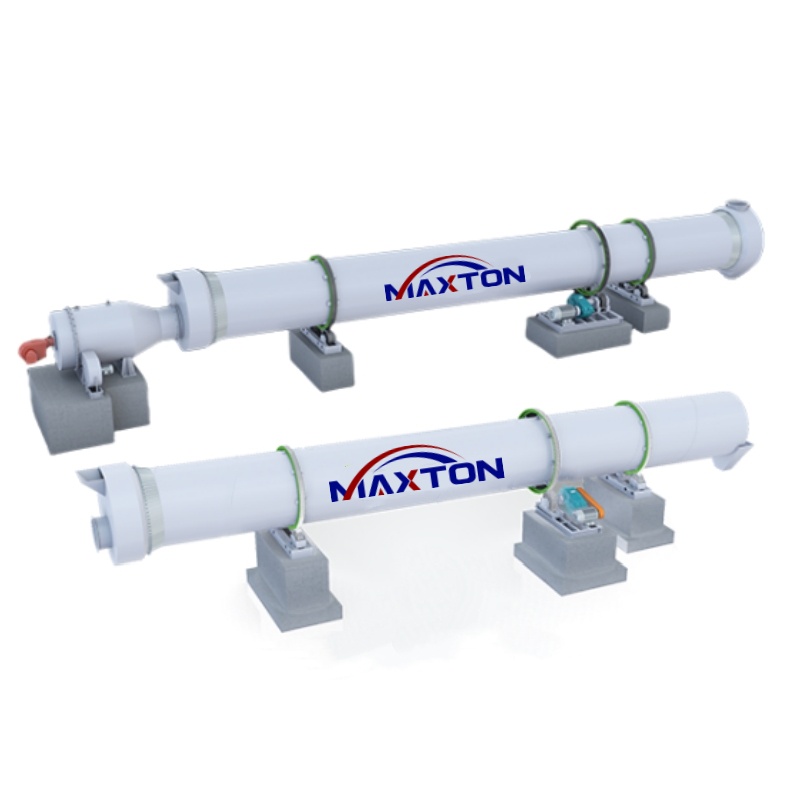
Rotary Dryer: Reduces the moisture content of the granulated fertilizer.
Cooling Machine: Cools down the fertilizer after drying.
Packaging Equipos
Packing Machine: Packages the finished fertilizer into bags for sale or distribution.

Conveying Equipos
Conveying Machine:It improves efficiency, reduces labor costs, and enhances storage and transportation convenience.

Production Flujo del Proceso

1. Raw material preparation:
Select appropriate mineral raw materials, such as phosphate rock, potash ore, boron ore, etc., and pre-treat them.
2. Ingredient mixing:
Add various mineral raw materials and auxiliary raw materials to the mixing equipment in a certain proportion for full mixing.
3. Granulation:
Send the evenly mixed materials into the granulation equipment for granulation operation to form granular mineral fertilizers.
4. Drying:
The fertilizer particles after granulation usually contain a certain amount of moisture and need to be dried by drying equipment.
5. Screening:
The dried fertilizer particles are screened by screening equipment.
6. Cooling:
The temperature of the granular fertilizer after drying and screening is high and needs to be cooled.
7. Coating:
The cooled particles are coated, that is, a thin layer of coating material, such as resin, paraffin, etc., is wrapped on the surface of the particles.
8. Packaging:
Finally, the coated granular fertilizer is packaged according to the specified weight and packaging form.
Raw Materials
1. Phosphate Rock
Phosphate Rock (Phosphorite) – The primary source of phosphorus for phosphate fertilizer production. It is mined and contains varying amounts of phosphorus (typically in the form of calcium phosphate minerals like apatite).
2. Acid Sources
To convert phosphate rock into a usable fertilizer form, acid is required to “acidulate” the rock, which releases soluble phosphorus compounds. Common acids used include:
Sulfuric Acid (H₂SO₄) – Most commonly used to produce superphosphate fertilizers. It reacts with phosphate rock to produce single superphosphate (SSP) or triple superphosphate (TSP).
Phosphoric Acid (H₃PO₄) – Produced from phosphate rock with sulfuric acid, phosphoric acid is a key ingredient in the production of high-concentration phosphate fertilizers like monoammonium phosphate (MAP) and diammonium phosphate (DAP).
3. Other Nutrient Sources (Optional for Compound Fertilizers)
To create NPK fertilizers, other sources of nitrogen and potassium can be mixed with the phosphate material. Some examples include:
Potash (Potassium Chloride or Potassium Sulfate) – Provides potassium (K) to the fertilizer.
Urea or Ammonium Nitrate – Provides nitrogen (N) to complete the NPK blend.
4. Gypsum (Optional)
Gypsum (CaSO₄) – Produced as a byproduct when sulfuric acid is reacted with phosphate rock. It can be used in the manufacturing of single superphosphate (SSP) and is also useful for improving soil quality in some cases.
5. Other Additives (Optional)
Silica – Sometimes added to improve granule quality in the manufacturing process.
Clay, Bentonite, or other binders – Used in the granulation process to help form granules or pellets and improve the product’s physical properties.
Advanced Features
1. High product quality:
The particles are regular and uniform in size, which makes storage and transportation more convenient, and can effectively reduce breakage and loss during handling and storage. Másover, its slow-release performance can make the fertilizer nutrients release slowly and lastingly, greatly improve the fertilizer utilization rate, and provide longer-lasting nourishment for crops.
2. High production efficiency:
Advanced granulation equipment has strong adaptability and high particle strength. The equipment for drying and cooling processes can also work efficiently to ensure the efficient operation of the production line.
3. Strong adaptability:
It can perfectly adapt to mechanized fertilization equipment, which can greatly improve fertilization efficiency and reduce labor intensity.
4. Good after-sales service:
Professional after-sales team accompanies the whole process from the first day of equipment installation, and installation and commissioning problems can be solved on site immediately. Sudden failures in daily production will be responded to within 24 hours.
Cost Analysis
| Model | Capacity (t/h) | Power (kW) | Price Range |
|---|---|---|---|
| V-PF-1000 | 1-2 | 45 | $50,000-80,000 |
| V-PF-2000 | 3-5 | 75 | $80,000-120,000 |
| V-PF-3000 | 5-10 | 120 | $120,000-180,000 |
| V-PF-4000 | 10-15 | 180 | $180,000-250,000 |
| V-PF-5000 | 15-20 | 240 | $250,000-350,000 |
Contacto us for specific information and get a quote!
Competitive Advantages
Technical Strength
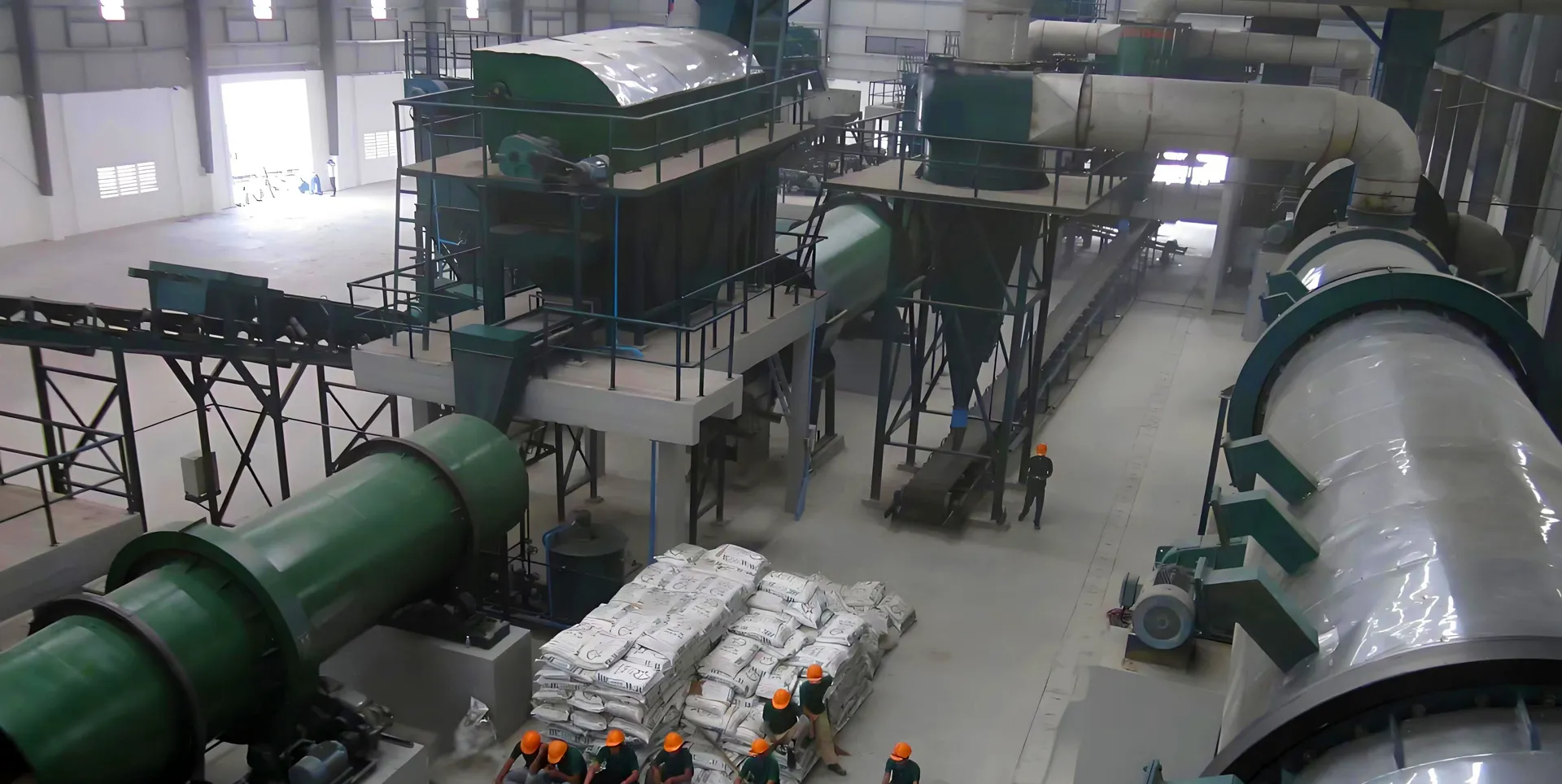
- The company was founded in 2005 and has been focusing on the research and development and manufacturing of organic fertilizer equipment for 20 years. It has built a 40,000m large-scale organic fertilizer equipment production base, using advanced granulation, drying and screening technologies to improve production efficiency and product quality.
- A self-operated import and export enterprise with more than 80 professional engineers worldwide, serving more than 100 countries and regions around the world, 5,000+ customer service cases, 10 processing centers, 3 laser cutting machines, and more than 60 equipment of various types.
- Maintaining long-term and extensive cooperation with many scientific research institutes and universities, with a professional R&D team, it can continuously optimize equipment performance according to market demand.
Equipos Calidad
- High-strength wear-resistant materials, carbon steel Q235/Alloy are selected to ensure that the equipment is durable and reduce maintenance costs.
- Adopting intelligent control systems to improve the level of production automation and reduce manual dependence.
- ISO, CE, SGS international certification
Production capacity
- With large-scale production capacity, it can meet different production capacity requirements (small, medium and large production lines).
- A full range of equipment models, suitable for the production of various types of fertilizers such as organic fertilizer, compound fertilizer, biological fertilizer, water-soluble fertilizer, liquid fertilizer, etc.
Customized service
- Personalized design can be provided according to customer needs, including production capacity, site layout, environmental protection standards, etc.
- Provide a complete set of production line solutions, including equipment selection, installation and commissioning, technical training, etc.
Price advantage
- Direct factory supply, reducing the middleman link, and the price is more competitive.
- The equipment has high energy efficiency, reduces energy consumption, and helps customers reduce long-term operating costs.
After-sales service
- Direct factory supply, reducing the middleman link, and the price is more competitive.
- The equipment has high energy efficiency, reduces energy consumption, and helps customers reduce long-term operating costs.
📚 Live Casos de Éxito
Malaysia NPK compound fertilizer granulation line
Kenya Bentonite Cat Litter Production Line
Nigeria Chicken Manure Fertilizer Production Line
🔥 Hot Productos
Línea de Producción por Prensadora de Rodillos
Línea de Producción de Granulación por Disco
Línea de Producción de Granulación por Tambor Rotatorio
Serie de Máquinas de Compostaje y Volteo
Serie de Granuladores de Fertilizantes
Serie de Trituradoras de Fertilizantes
Equipos Auxiliares
We provide the design and equipment for the following fertilizer granulation systems
No se encontraron artículos
Llámenos o Simplemente Complete el Formulario
Dirección: Ciudad de Zhengzhou, Provincia de Henan, ChinaTeléfono: +86-18237180035Correo: svip@maxtonorg.com
Por favor active el plugin WPForms