Granulador de Tambor Rotatorio para Producción de Alta Capacidad de Fertilizantes NPK y DAP
Bienvenido a la Zona Técnica de Granuladores de Tambor Rotatorio de Maxton. No solo proporcionamos equipos mecánicos confiables, sino que priorizamos ofrecerte un diseño científico de procesos y soporte profesional de pruebas de materiales.
Especificaciones Rápidas: Diámetro del tambor Φ0,8–Φ4,5 m | Velocidad del tambor 8–20 rpm | Capacidad 0,5–90+ t/h | Potencia del motor 1,1–280 kW | Peso 1,12–180 t | Tamaño del gránulo 1–6 mm | Tiempo de retención 30 s–60 min | Métodos: granulación húmeda & granulación por reacción (DAP/MAP)
★ Oferta Limitada: Prueba gratuita de materiales y propuesta de ingeniería personalizada para consultas calificadas. Respondemos en un plazo de 24 horas.
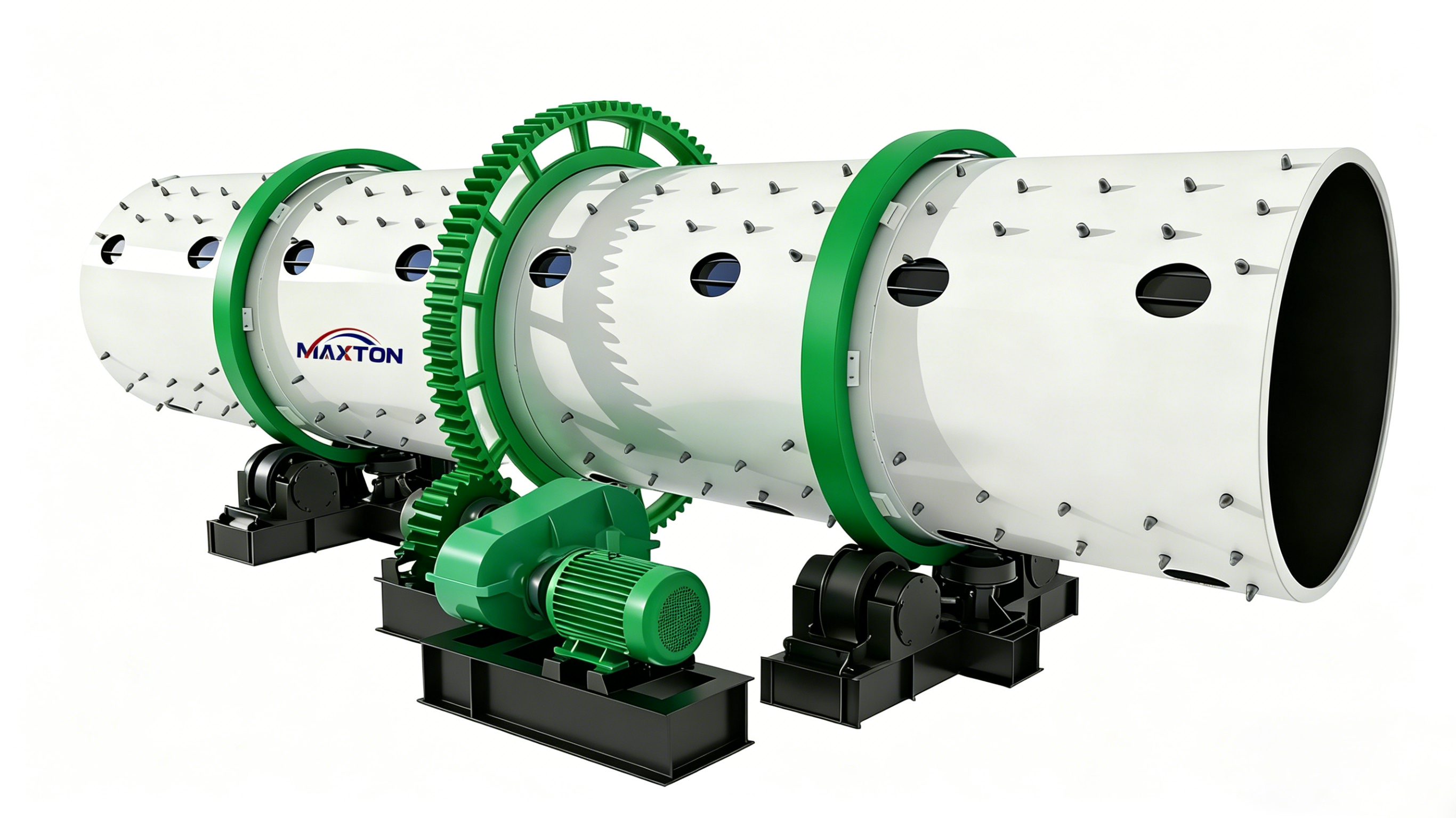
Visión General del Granulador de Tambor Rotatorio
El Granulador de Tambor Rotatorio es un equipo central de aglomeración ampli utilizado en las industrias de fertilizantes, alimentación animal, minería y productos químicos. Aprovechando la acción de rodadura de un cilindro rotatorio, convierte eficientemente materias primas pulverulentas en gránulos uniformes, densos y esféricos, convirtiéndose en la opción preferida para líneas de granulación a gran escala.
Alta Tasa de Granulación
Produce gránulos altamente esféricos, uniformes y estéticamente agradables. La granulación con vapor supera el 90% de tasa de granulación.
Eficiencia Energética
Menor consumo de energía por tonelada en comparación con métodos alternativos de granulación. La granulación con vapor reduce drásticamente los costos de secado posterior.
Versatilidad Sin Igual
Maneja una amplia variedad de materiales; destaca tanto en granulación húmeda como en granulación por reacción química (DAP/MAP).
Mantenimiento Simplificado
Operación suave, alta compatibilidad con automatización, estructura robusta y mínimas piezas de desgaste para máxima disponibilidad.
Capacidad Escalable
Desde 0,5 t/h a escala de laboratorio/investigación hasta más de 90 t/h de producción industrial masiva. Escalado de precisión ingenieril adaptado a sus necesidades.
Ingeniería Personalizada
Diseños personalizados de parámetros completos: velocidad e inclinación del tambor, sistemas de rociado, automatización PLC, revestimientos y deflectores internos.
Materiales Aplicables y Tipos de Fertilizantes
Los Granuladores de Tambor Rotatorio MAXTON procesan perfectamente una amplia variedad de materiales en múltiples industrias.
Fertilizantes Inorgánicos
- Fertilizante Compuesto NPK
- Fosfato Diamónico (DAP)
- Fosfato Monoamónico (MAP)
- Superfosfato (SSP / TSP)
- Cluro de Potasio (MOP)
- Sulfato de Potasio (SOP)
- Fertilizantes compuestos base urea
Materiales Orgánicos y Otros
- Ácido húmico
- Fertilizantes bio-orgánicos
- Estiércol fermentado de ganadería y avicultura
- Polvos minerales
- Materias primas químicas
- Polvos metalúrgicos y subproductos
- Aditivos y premezclas para alimentación
Rango de Capacidad de Producción: Mínimo 0,5 t/h (laboratorio / I+D) — Máximo 90+ t/h (producción industrial masiva). Disponible escalado de precisión ingenieril personalizado para cualquier requisito de línea de producción.
🚀 ¿Listo para escalar su producción de fertilizantes?
Obtener Cotización Personalizada para Su CapacidadPrincipio de Funcionamiento y Formación de Gránulos
Los materiales pulverulentos ingresan al tambor inclinado y rotatorio mediante un dispositivo de alimentación. A medida que el tambor rota a velocidad constante, el material rueda formando un lecho rodante. Con la adición de un aglutinante líquido (agua, vapor o suspensión química) rociado sobre el lecho, las partículas se aglomeran en gránulos. Bajo las fuerzas combinadas de gravedad y fuerza centrífuga, los gránulos formados descienden por la pendiente del tambor y son descargados.
Fertilizante Compuesto NPK
Los polvos de Nitrógeno, Fósforo y Potasio se alimentan al tambor y se aglomeran directamente usando aglutinantes líquidos — o se granulan por separado y se mezclan a granel posteriormente.
Granulación por Reacción DAP / MAP
En la producción de DAP/MAP, el tambor funciona como un reactor químico dinámico. Una suspensión de ácido fosfórico pre-neutralizado se inyecta con gas amoníaco dentro del lecho del tambor, completando simultáneamente la reacción química y la granulación física.
Fertilizantes de Valor Agregado
Usando aglutinantes especializados o recubrimientos superficiales, los productores pueden fabricar fertilizantes de liberación lenta o gránulos multicapa ricos en nutrientes con rendimiento agronómico mejorado.
La Física del Diseño: Parámetros Óptimos
Ángulo de Inclinación Óptimo
Cuidadosamente calculado para asegurar que el lecho material forme un estado perfecto de «cascada», lo cual es crucial para el crecimiento uniforme de gránulos y la calidad consistente del producto.
Velocidad de Rotación (RPM)
Si las RPM son demasiado bajas, el material se desploma y no logra granular; si son demasiado altas, la fuerza centrífega fija el material a la pared del tambor (centrifugado), deteniendo la granulación por completo. Los ingenieros de Maxton calculan la ventana operativa precisa para cada aplicación.
⚠ Mitigación de Riesgos: Por Qué las Pruebas de Materiales Son Críticas
Cada material reacciona de forma distinta a la humedad, los aglutinantes y la rodadura. Diseñar un granulador de alto rendimiento sin conocer el material es una apuesta arriesgada.
- Confirma la viabilidad del proceso e identifica problemas de escalado desde el inicio
- Determina las tasas óptimas de alimentación de aglutinante y configuración de boquillas de rociado
- Establece el porcentaje de llenado y tiempo de retención del equipo (30 s – 60 min)
- Elimina riesgos de inversión y previene paradas costosas de la planta
Capacidades de Ingeniería Personalizada de Maxton
Ningún material es exactamente igual. Maxton proporciona diseños personalizados de parámetros completos basados en sus requisitos únicos de proceso. Nuestro equipo de más de 50 ingenieros respalda cada proyecto desde el concepto inicial hasta la puesta en marcha.
Mecanismos de Ajuste Preciso
Mecanismos de velocidad e inclinación de tambor de ajuste preciso para optimizar el comportamiento del lecho en cascada para su material específico y especificaciones de gránulo deseadas.
Sistemas Avanzados de Rociado de Aglutinante
Distribución multipunto y control preciso de atomización para aplicación uniforme del aglutinante. Compatible con agua, vapor y suspensiones químicas como aglutinantes.
Automatización Completa PLC
Integración perfecta con toda su línea de producción. Monitoreo remoto, ajuste automático de parámetros y registro de rendimiento en tiempo real.
Revestimientos de Tambor Personalizados
Revestimientos de UHMW-PE, goma anticorrosiva o acero inoxidable para evitar adherencia, reducir apelmazamiento y prolongar vida útil en ambientes químicos agresivos.
Configuraciones de Deflectores Internos
Arreglos opcionales de deflectores internos para mejorar la eficiencia de mezcla y aglomeración, logrando crecimiento de gránulo más uniforme a lo largo de toda la longitud del tambor.
Granulación con Vapor vs. Agua
Con vapor: tasa de granulación >90%, gránulos duros, menores costos de secado — ideal para grandes plantas NPK. Con agua: menor CAPEX, configuración más simple — ideal para fertilizantes orgánicos o líneas de mediana escala.
Especificaciones Técnicas
Gama de Modelos Estándar
| Modelo | Diámetro Interior (mm) | Velocidad del Tambor (r/min) | Capacidad (t/h) | Potencia del Motor (kW) | Peso (t) |
|---|---|---|---|---|---|
| Φ0,8×3,0 | 800 | 20,0 | 0,5 – 1,5 | 1,1 | 2 |
| Φ1,0×3,0 | 1000 | 17,0 | 1,0 – 3,0 | 3 | 4 |
| Φ1,2×4,0 | 1200 | 16,0 | 2,0 – 5,0 | 5,5 | 7 |
| Φ1,5×5,0 | 1500 | 15,0 | 5,0 – 10,0 | 11 | 14 |
| Φ1,8×6,0 | 1800 | 14,0 | 8,0 – 15,0 | 18,5 | 26 |
| Φ2,4×6,0 | 2400 | 13,0 | 15,0 – 25,0 | 45 | 58 |
| Φ3,0×7,0 | 3000 | 11,0 | 25,0 – 45,0 | 90 | 95 |
| Φ3,6×8,0 | 3600 | 10,0 | 40,0 – 65,0 | 160 | 135 |
| Φ4,5×8,0 | 4500 | 8,0 | 30,0 – 90,0 | 280 | 180 |
Línea Completa de Producción por Granulación en Tambor
Una planta de producción de fertilizantes llave en mano estándar incluye las siguientes etapas centrales — desde el dosificado de materias primas hasta el empaque del producto terminado.

Flujo General del Proceso
🔎 ¿Necesita una solución completa llave en mano? Vea nuestros diseños de línea de producción en 3D.
Ver Diseños 3D en es.fertifactory.com ↗Profundización Técnica: La Ingeniería Detrás del Gránulo
El granulador de tambor rotatorio MAXTON es un sistema de aglomeración de alta capacidad que convierte materias primas de fertilizante pulverulentas en gránulos esféricos uniformes de 1–6 mm mediante granulación húmeda por crecimiento por rodadura o granulación por reacción química (DAP/MAP). Los parámetros operativos — inclinación del tambor, velocidad de rotación, tasa de rociado de aglutinante y tiempo de retención — están diseñados con precisión mediante pruebas de materiales para alcanzar tasas de granulación superiores al 90%. Rango de capacidad estándar: 0,5–90 t/h.
1. Por Qué Elegir Granulación en Tambor Rotatorio para Fertilizantes
La granulación es la tecnología crítica que transforma polvos difíciles de manejar en pellets multinutrientes. Este proceso previene la segregación de nutrientes durante el transporte, elimina emisiones de polvo y mejora drásticamente la eficiencia de aplicación en campo. Con su integridad estructural robusta y alta tolerancia a variaciones de materias primas, el granulador de tambor rotatorio es el caballo de batalla indiscutible de la industria global de fertilizantes.
2. ¿Cómo Se Forman Gránulos de Alta Calidad?
Un gránulo calificado típicamente es un pellet sólido y esférico con diámetro de 1–6 mm.
- Fertilizante Compuesto NPK: Los polvos de N, P, K se alimentan y se aglomeran usando aglutinantes líquidos, o se granulan por separado y se mezclan a granel después.
- Granulación por Reacción DAP / MAP: El tambor funciona como un reactor químico dinámico — la suspensión de ácido fosfórico se inyecta con gas amoníaco, completando simultáneamente la reacción química y la granulación física.
- Fertilizantes de Valor Agregado: Aglutinantes especializados o recubrimientos superficiales producen fertilizantes de liberación lenta o gránulos multicapa ricos en nutrientes.
3. La Física del Diseño: De Estándar a Personalizado
Lograr una producción estable de alta capacidad requiere dominar la dinámica de los materiales. Los ingenieros de Maxton se enfocan en:
- Ángulo de Inclinación Óptimo: Cuidadosamente calculado para asegurar que el lecho material forme un estado de «cascada» perfecto, crucial para el crecimiento uniforme de gránulos.
- Velocidad de Rotación (RPM): Demasiado baja = el material se desploma; demasiado alta = efecto de centrifugación fija el material contra la pared del tambor, deteniendo la granulación completamente.
- Distribución del Aglutinante: Sistemas de boquillas de rociado multipunto aseguran distribución uniforme de humedad sobre el lecho rodante para una tasa consistente de formación de bolas.
- Relación Longitud/Diámetro del Tambor (L/D): Gobierna el tiempo de retención y determina directamente la densidad del gránulo y la tasa de completitud de la reacción.
Preguntas Frecuentes Técnicas — Diagnóstico y Solución de Problemas
Preguntas profundas de ingenieros de plantas y equipos de compras a nivel mundial — optimizadas para búsqueda por voz y respuestas generativas de IA.
P1: ¿Qué datos básicos se necesitan para diseñar un granulador de tambor rotatorio a medida?
El diseño de un granulador de tambor no es trabajo de suposición. Requerimos datos integrales de materia prima (composición química, contenido de humedad, temperatura, densidad aparente, distribución del tamaño de partículas, abrasividad y corrosividad), datos del producto objetivo (distribución del tamaño de gránulo, densidad del producto terminado), y parámetros de proceso / sitio (requisitos de material de construcción, normas de control eléctrico, temperatura ambiente, humedad e incluso altitud). La mayoría de los datos críticos de diseño deben obtenerse mediante pruebas frontales de materiales en nuestro Centro de Innovación.
P2: ¿Cómo se determina el tiempo de retención dentro de un granulador de tambor rotatorio?
El tiempo de retención generalmente varía entre 30 segundos y 60 minutos, dependiendo del objetivo del proceso. No solo determina la relación longitud-diámetro (L/D) del tambor, sino que también gobierna directamente la densificación del gránulo y la completitud de la reacción. MAXTON determina el umbral óptimo de tiempo de retención mediante pruebas piloto frontales que consideran el comportamiento de flujo del material, la reactividad del aglutinante y la dureza del gránulo deseada.
P3: ¿Cuáles son las piezas de desgaste de alta frecuencia y cómo realizar mantenimiento predictivo?
Las piezas principales de desgaste incluyen el revestimiento interno anticorrosivo, elevadores (placas persiana), rodillos de soporte, anillos de apoyo (bandajes) y rodillos de empuje. Durante el mantenimiento, la alineación del tambor (concentricidad del cilindro) es absolutamente crítica. Cualquier desviación de la línea central introduce fuerzas cortantes excéntricas extremas sobre los rodillos de soporte y anillos de apoyo, causando desgaste catastrífico y acelerado sobre estos componentes fundidos pesados. MAXTON proporciona servicios de alineación por láser durante la instalación y protocolos de inspección programada para extender la vida útil.
P4: ¿Cómo resolver fundamentalmente el apelmazamiento y la acumulación de material en las paredes del tambor?
El apelmazamiento generalmente es causado por exceso de humedad, temperatura incorrecta o desviaciones en los parámetros del proceso. Las soluciones a nivel de ingeniería incluyen: (1) instalar revestimientos autolimpiables UHMW o raspadores mecánicos para descamación forzada; (2) reducir con precisión el volumen de rociado de aglutinante; (3) aumentar la proporción de reciclado seco para diluir la humedad de alimentación; (4) ajustar dinámicamente la velocidad de rotación y el ángulo de inclinación para optimizar las trayectorias del material; y (5) cuando sea necesario, aplicar antiapelmazantes en el proceso de recubrimiento posterior.
P5: Granulación con vapor vs. granulación con agua — ¿qué proceso debería elegir?
Son dos vías termodinámicas distintas. La Granulación con Vapor (Método Caliente) aprovecha tanto el calor como la humedad del vapor de alta temperatura, produciendo gránulos extremadamente duros con tasas de granulación superiores al 90% y reduciendo significativamente la carga de secado posterior. Es ideal para producción NPK a gran escala y alta concentración — pero requiere inversión inicial en un sistema de caldera. La Granulación con Agua (Método Frío) tiene menor CAPEX inicial y configuración más simple, siendo adecuada para líneas de escala pequeña a mediana o fertilizantes orgánicos sensibles a temperaturas altas — aunque con mayor consumo energético de secado.
P6: ¿Por qué las plantas de fertilizantes a gran escala prefieren los granuladores de tambor rotatorio sobre los granuladores de disco?
Aparte de su muy superior capacidad de procesamiento por unidad individual, la mayor ventaja competitiva del granulador de tambor rotatorio radica en su diseño de sistema cerrado. Al manejar materias primas de fertilizantes con alto contenido de polvo o irritantes químicas (como el amoníaco durante la granulación por reacción DAP), el tambor cerrado minimiza en la mayor medida posible las emisiones de polvo y gases dañinos — haciéndolo significativamente más competitivo bajo las normativas ambientales y de seguridad estrictas actuales en América Latina.
Equipos Relacionados de Granulación de Fertilizantes
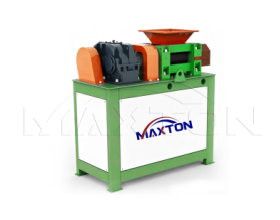
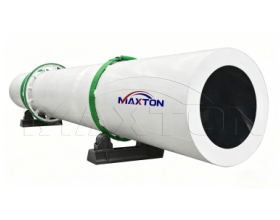
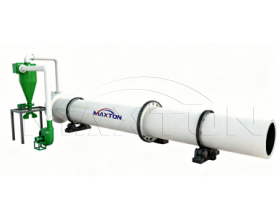
MAXTON proporciona equipos completos para líneas de producción de fertilizantes, incluyendo granuladoras, secadores, enfriadoras, cribadoras y equipos de recubrimiento.
¿Por Qué Asociarse con Maxton?
Razones clave por las cuales fabricantes de fertilizantes en todo el mundo eligen equipos de granulación MAXTON. Visite es.fertifactory.com para ver diseños 3D completos y casos de estudio.
Décadas de Experiencia en Procesos
Nos especializamos exclusivamente en la aglomeración, secado, enfriamiento y manejo de sólidos a granel — proporcionando diseño de procesos respaldado por ciencia, no solo maquinaria estándar.
Más de 100 Casos de Éxito Globales
Procedimientos estandarizados de servicio y soporte integral posventa garantizan la ejecución fluida de proyectos en el Sudeste Asiático, África, Oriente Medio y América Latina.
Fabricación de Uso Pesado
Laminado integrado de placas de acero, tratamiento térmico avanzado para componentes de transmisión — máquinas diseñadas para operar 24/7 en ambientes químicos agresivos. Diámetro máximo de tambor hasta 4,5 m.
Servicios de Ciclo de Vida Completos Llave en Mano
Desde consultoría inicial de procesos, diseño de planta en 3D, y fabricación de equipos, hasta puesta en marcha in situ y capacitación de operadores — Maxton garantiza su retorno de inversión.
Prueba Gratuita de Materiales
Pruebas de materiales en nuestro Centro de Innovación confirman la viabilidad del proceso, identifican problemas de escalado desde el inicio y recogen parámetros críticos de diseño — eliminando riesgos de inversión antes de comprometerse.
ROI Optimizado
Soluciones a medida que maximizan el retorno de inversión mediante diseño eficiente de procesos, optimización energética, generación mínima de residuos y correspondencia precisa de capacidad.