Tanque de Fermentación Horizontal Orgánico
El tanque de fermentación horizontal orgánico es un equipo de compostaje para fertilizantes diseñado para procesar residuos orgánicos como estiércol de pollo, estiércol de vaca, residuos de setas, paja de cultivos, estiércol de cerdo, residuos de biogás, orujo de vino y lodo municipal.
Después del compostaje, estos materiales se vuelven más adecuados para la producción de fertilizantes orgánicos. El tanque ocupa menos espacio, no genera contaminación y ayuda a eliminar por completo los huevos de plagas, lo que lo hace ideal para empresas ganaderas, agricultura de reciclaje y agricultura ecológica.
Fabricante chino con envío disponible a México, Colombia, Perú, Argentina, Chile y toda Latinoamérica.
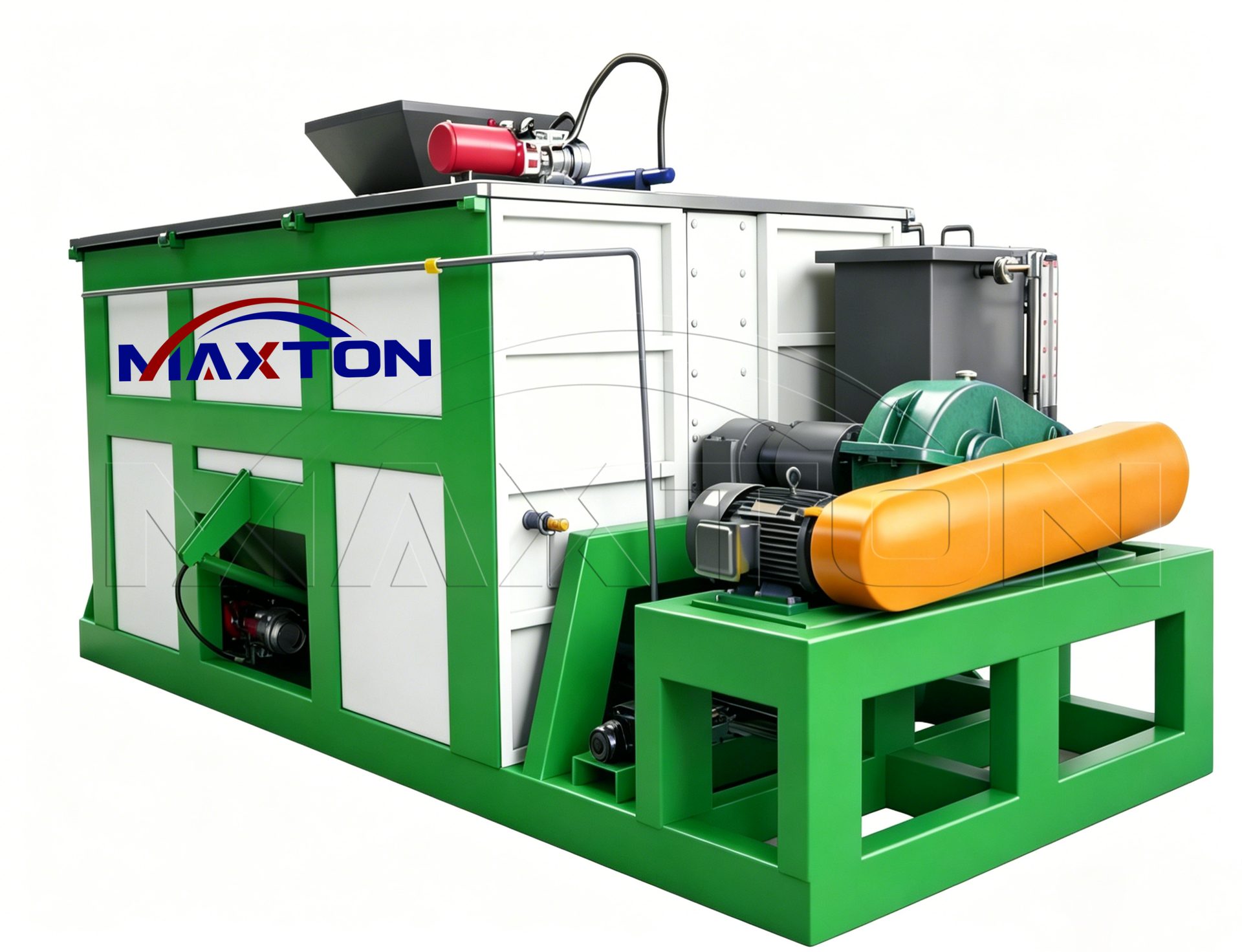
Introducción del Producto
Compostaje de Fertilizante Orgánico
El tanque de fermentación horizontal convierte los residuos orgánicos en material compostado más seguro para la producción de fertilizantes orgánicos. Es suitable para estiércol, paja, lodo, orujo de vino, residuos de biogás y otros materiales biodegradables.
Aplicación en Proyectos de Exportación
El equipo también es buscado como fermentador de fertilizer orgánico horizontal, biorreactor horizontal de acero inoxidable, tanque compostero horizontal y tanque de fermentación aerobio industrial. La capacidad estándar cubre 5-50 m³ con un ciclo de compostaje de 15-20 días.
Principales Características
Fermentación en Recipiente Cerrado
El tanque adopta fermentación en recipiente cerrado. Un sistema de tratamiento de gases de desecho ayuda a absorber gases nocivos y reducir la contaminación secundaria.
Ciclo de Compostaje de 15-20 Días
Bajo fermentación aeróbica de alta temperatura, los residuos orgánicos generalmente completan el compostaje seguro en 15-20 días, dependiendo de las condiciones del material.
Esterilización a 60-100°C
El fermentador horizontal se puede ajustar a 60-100°C, ayudando a eliminar bacterias peligrosas, huevos de plagas y semillas de malezas.
Larga Vida Útil
Las piezas en contacto con los residuos orgánicos generalmente están fabricadas en acero inoxidable 304, proporcionando una fuerte resistencia a la corrosión.
Operación Automática Fácil
Un solo operador puede controlar la aireación, el control de temperatura, la mezcla, la desodorización y la descarga de materiales a través del sistema de control.
Proceso de Trabajo
Alimentación y Mezcla: El material se alimenta en el fermentador horizontal a través de una cinta transportadora. El motor principal y el reductor de velocidad impulsan el eje principal, y las hojas espirales voltean las materias primas para un contacto completo con el aire y la fermentación aeróbica.
Calentamiento y Descarga: El sistema de calefacción calienta el aceite de transferencia de calor en la capa intermedia del cuerpo del tanque. El sensor de temperatura lo ajusta a la temperatura óptima de fermentación. Una vez finalizada la fermentación, los materiales se descargan desde el puerto para el siguiente proceso.
Aplicaciones
Estiércol Ganadero
Ideal para compostaje de estiércol de vaca, estiércol de pollo, estiércol de cerdo, residuos de cabra y otros estiércoles animales.
Residuos Agrícolas
Procesa paja de cultivos, residuos de setas, residuos de biogás y otros subproductos agrícolas.
Residuos Orgánicos Industriales
Trata orujo de vino, lodo, residuos alimentarios y otros materiales industriales biodegradables.
Especificaciones del Producto
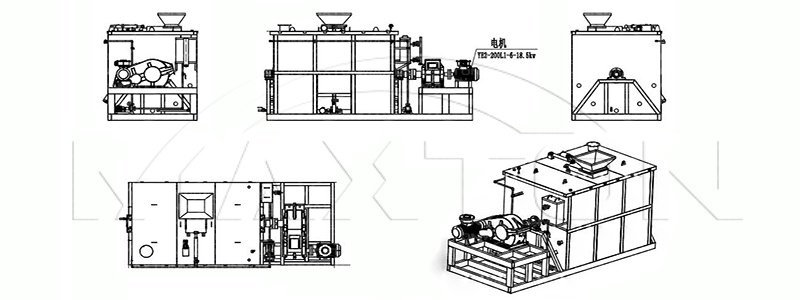
Estructura del Equipo
- Tanque: El cuerpo del tanque está principalmente fabricado en placa de acero inoxidable para resistir la corrosión del estiércol animal.
- Soporte principal: Soporta el compostero completo y mantiene la operación estable.
- Controlador: Controla automáticamente el proceso de compostaje y mantiene el sistema funcionando correctamente.
- Eje mezclador: Las hojas espirales mezclan los materiales y aumentan la respirabilidad para una fermentación aeróbica eficiente.
- Monitor de temperatura: Ayuda a mantener la temperatura de fermentación adecuada dentro del tanque.
| Parámetro | Especificación |
|---|---|
| Capacidad | 5-50 m³ |
| Ciclo de Compostaje | 15-20 días |
| Potencia del Motor | 18.5 kW |
| Material del Equipo | Acero al carbono, acero inoxidable |
| Aplicación | Estiércol de vaca, estiércol de pollo, estiércol de cerdo, residuos de cabra, residuos de biogás, paja, orujo de vino, lodo |
| Potencia de la Bomba de Aceite Caliente | 1.5 kW |
| Potencia de la Unidad Hidráulica de Entrada | 0.55 kW |
| Potencia de la Barra Calefactora | 3 × 10 kW |
| Potencia de la Unidad Hidráulica de Salida | 0.55 kW |
Los parámetros son solo de referencia. La configuración final se puede ajustar según la materia prima, la humedad, la capacidad de tratamiento y las condiciones del sitio. También disponible para envío e instalación en Latinoamérica.
Flujo de Tratamiento Típico
El compostaje es importante para la producción de fertilizantes orgánicos porque el estiércol crudo contiene olor, bacterias dañinas, huevos de plagas y semillas de malezas. La fermentación ayuda a controlar el olor, eliminar los huevos de plagas y evitar que las materias primas quemen las plántulas de los cultivos.
Para volúmenes menores a unos 20 m³, los tanques de fermentación horizontales suelen ser más económicos. Para volúmenes mayores, se puede preferir equipo vertical cuando el espacio en el suelo es limitado.
1. Alimentación
Los residuos orgánicos se alimentan en el tanque horizontal a través de una cinta transportadora.
2. Mezcla
El motor principal, el reductor y las hojas espirales voltean los materiales para un contacto completo con el aire.
3. Calentamiento
El sistema de calefacción calienta el aceite de transferencia y los sensores ajustan la temperatura de fermentación.
4. Descarga
Una vez finalizado el compostaje, los materiales se descargan para el siguiente proceso de fertilizer.
Preguntas Frecuentes (FAQ)
¿Qué materias primas puede procesar el tanque de fermentación horizontal?
Es ampliamente utilizado para residuos orgánicos como estiércol de pollo, estiércol de cerdo, estiércol de vaca, residuos Ganesado, residuos de setas, paja de cultivos, granos de destilación, lodo y residuos de biogás.
¿Cuánto tiempo dura un ciclo de fermentación?
Bajo el proceso de fermentación aeróbica de alta temperatura, el tratamiento generalmente se completa en 15 a 20 días, dependiendo del tipo de material, humedad, temperatura y condiciones operativas.
¿Por qué es necesaria la fermentación para la producción de fertilizantes orgánicos?
El estiércol sin fermentar puede contener bacterias dañinas, huevos de parásitos y semillas de malezas. Su uso directo puede causar olores y dañar los cultivos. La fermentación ayuda a eliminar patógenos, quitar el olor y convertir la materia orgánica en nutrientes más fáciles de absorber por las plantas.
¿Cómo maneja el equipo los olores durante la fermentación?
El tanque utiliza un diseño completamente cerrado. Los gases de desecho generados durante la fermentación pueden pasar por un sistema de tratamiento de gases, como una torre de aspersión de agua y una caja de carbón activado, para reducir los olores y la contaminación secundaria.
¿Puede funcionar el tanque de fermentación horizontal en invierno frío?
Sí. El cuerpo del tanque está diseñado con una capa de aislamiento térmico que ayuda a retener el calor biológico interno y reduce la influencia de las bajas temperaturas exteriores, permitiendo la operación durante todo el año.
¿Qué tan automatizado está el equipo? ¿Necesita muchos operadores?
El nivel de automatización es alto. La aireación, el control de temperatura, la mezcla, la desodorización y la descarga se pueden controlar a través del gabinete de control eléctrico. En muchas plantas, un solo operador puede gestionar el sistema completo.
¿Cuál es la vida útil y la resistencia a la corrosión del equipo?
El equipo está diseñado para una alta durabilidad. Las piezas clave en contacto con el material pueden fabricarse en acero inoxidable 304 grueso, lo que proporciona una fuerte resistencia a la corrosión frente al estiércol animal y los residuos orgánicos.
¿Cómo elegir entre un tanque de fermentación horizontal y uno vertical?
La elección depende principalmente de la capacidad y el espacio disponible. Para capacidades menores a unos 20 m³, un tanque horizontal suele ser más económico y requiere menor altura de edificio. Para capacidades mayores, se puede considerar un tanque vertical.
¿Cómo puedo saber si el material está completamente fermentado?
Se puede juzgar por la temperatura, el olor y la apariencia. La temperatura del material desciende naturalmente y no vuelve a subir, desaparece el olor irritante de amoníaco, y el material se vuelve más fino, suave y de color más oscuro.
¿Cuáles son las partes principales del tanque de fermentación horizontal?
La estructura principal incluye el cuerpo del tanque, el marco de soporte principal, el eje mezclador con hojas espirales, el controlador automático, el sistema de monitoreo de temperatura y los componentes relacionados de transmisión y calefacción.
¿Por qué ahorra más espacio que el compostaje tradicional?
El equipo utiliza tecnología de compostaje en recipiente cerrado. La fermentación se concentra dentro de un tanque cerrado con ventilación forzada y mezcla, por lo que la huella de espacio es mucho menor que el compostaje tradicional en zanja o hileras.
¿Cuál es el papel clave del eje mezclador?
El eje mezclador utiliza hojas espirales para mezclar y voltear el material. Más importante aún, mejora la permeabilidad del material, permitiendo que el oxígeno llegue uniformemente y manteniendo los microorganismos aeróbicos altamente activos.
¿Cuál es el principio de esterilización a alta temperatura?
El sistema utiliza el calor biológico generado por los microorganismos aeróbicos junto con calefacción auxiliar. La temperatura del tanque se puede ajustar y mantener en aproximadamente 60-100°C, lo que ayuda a eliminar patógenos, huevos de parásitos y semillas de malezas.
¿El consumo de energía es alto?
El costo operativo es relativamente controlado. Aunque el equipo incluye un motor principal y un sistema de calefacción, el calor biológico puede reducir la necesidad de calefacción auxiliar después de que la fermentación se estabiliza, y la automatización ayuda a ahorrar costos de mano de obra.
¿Qué piezas son más fáciles de reemplazar durante el mantenimiento?
Las piezas reemplazables comunes se encuentran principalmente en los sistemas de transmisión y monitoreo, como la bomba de aceite térmico, el reductor de motor, el sensor de temperatura y la barra calefactora. Las piezas estandarizadas hacen que el reemplazo posventa y el mantenimiento diario sean más convenientes.
Equipos Relacionados de Granulación de Fertilizantes
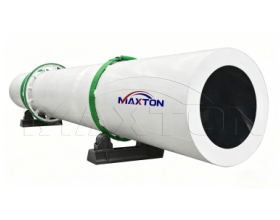
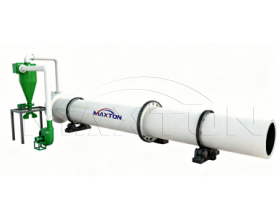
MAXTON proporciona equipos completos de línea de producción de fertilizantes incluyendo granuladores, secadores, enfriadores, máquinas de cribado y equipos de recubrimiento.
¿Por Qué Elegir MAXTON?
Contacte a Nuestro Equipo Técnico >Ciclo de Compostaje de 15-20 Días
El compostaje aeróbico ayuda a que los residuos orgánicos alcancen una condición más segura para la producción de fertilizantes orgánicos dentro de un ciclo de planta estable.
Esterilización a 60-100°C
La operación a alta temperatura ajustable ayuda a eliminar bacterias peligrosas, huevos de plagas y semillas de malezas.
Fermentación en Recipiente Completamente Cerrado
El compostaje sellado y el tratamiento de gases de desecho reducen los olores, el riesgo de contaminación y el impacto ambiental en el sitio.
Bajo Costo Operativo
La fermentación aeróbica de alta temperatura utiliza tecnología de bacterias biológicas para reducir el consumo de energía después de la operación estable.
Larga Vida Útil
Las piezas en contacto con el material generalmente están fabricadas en acero inoxidable 304 para una fuerte resistencia a la corrosión.
Operación Automática Fácil
Un solo operador puede controlar la aireación, el control de temperatura, la mezcla, la desodorización y la descarga.